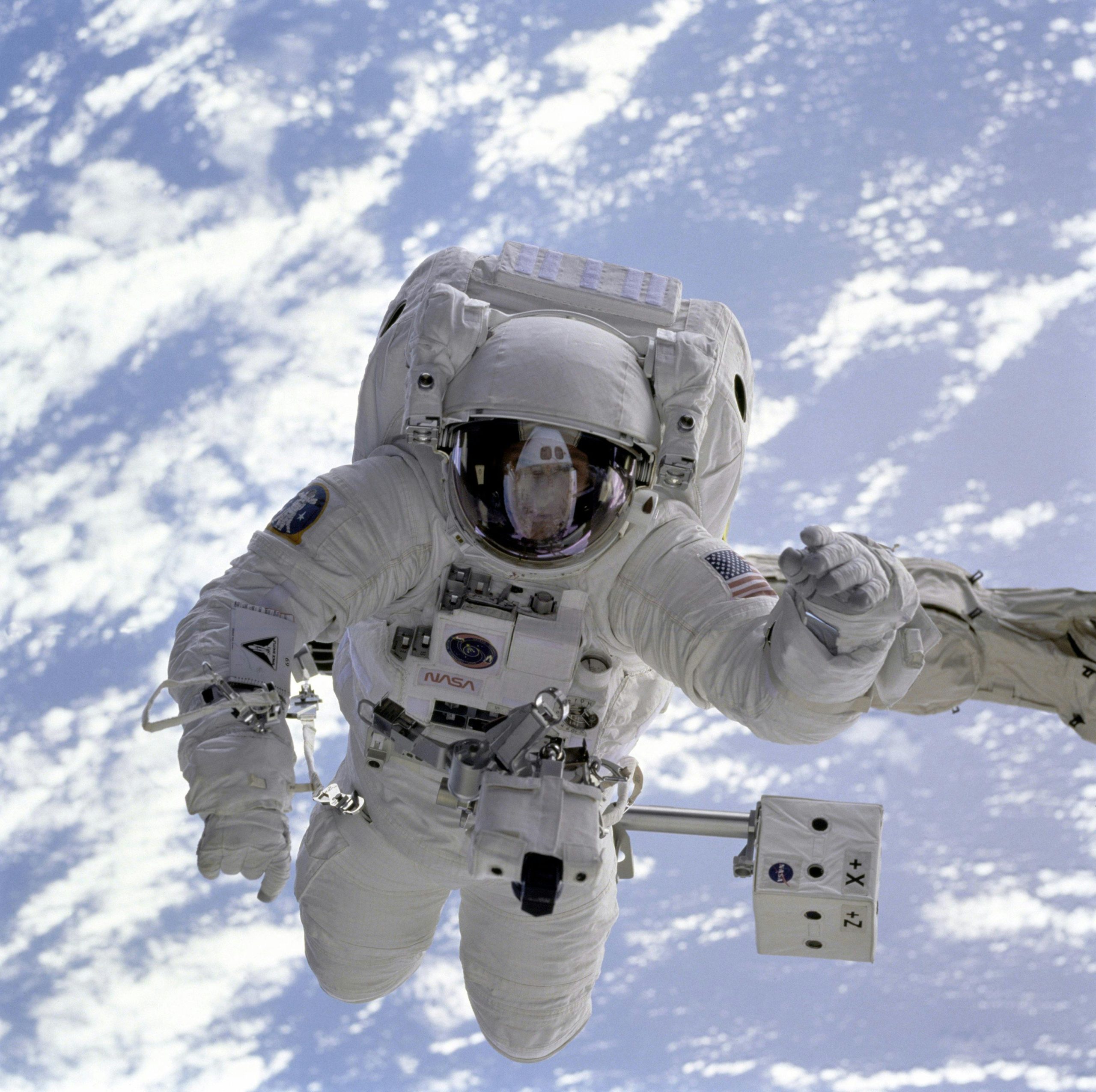
Space travel is no longer only for astronauts. In 2025, space tourism is becoming a reality for more people. But how much does it really cost? In this article, we break down the likely prices, the major players, and what to expect if you dream of a lunar vacation or an orbital trip.
What Is Space Tourism?
Space tourism refers to civilian travel to space — not for work or research, but for leisure. This includes:
- Suborbital flights : These go to the edge of space but don’t orbit the Earth.
- Orbital tourism: Trips around the Earth, staying in space stations.
- Lunar tourism: Flying to the Moon or staying in a lunar base (future concept).
Major Space Tourism Companies in 2025
- SpaceX – Led by Elon Musk, SpaceX has plans for lunar tourism in the future.
- Blue Origin – Known for suborbital flights.
- Virgin Galactic – Focused on suborbital, with commercial passenger flights.
- Axiom Space – Partnering to build private stations and offer orbital tourism.
Cost Breakdown (2025 Estimates)
- Suborbital Flights: A ticket might cost between $250,000 to $450,000 for a few minutes of weightlessness.
- Orbital Tourism: Going into low Earth orbit could cost tens of millions of dollars right now, depending on the duration and package.
- Lunar Trips: Still mostly future vision, but estimates suggest a lunar vacation could cost hundreds of millions, depending on how the business model evolves.
What Affects the Cost
- Fuel & Launch Costs: Rockets are expensive to launch. The fuel, materials, and engineering all add up.
- Vehicle Type: Reusable rockets help reduce cost, but building and maintaining safe spacecraft is still costly.
- Safety & Insurance: Space travel is risky. Insurance and safety systems drive up prices.
- Support Systems: For orbital and lunar trips, you need life support, training, and possibly accommodations.
- Regulation & Infrastructure: As private space travel scales, regulations, infrastructure, and support will shape the cost.
Why the Price May Drop in Future
- Reusable Rockets: Companies like SpaceX are already making rockets reusable, which lowers launch cost.
- Economies of Scale: As more people book space trips, cost per person could go down.
- Competition: More companies entering the space tourism market can drive down prices.
- Innovation: New propulsion, materials, and space stations may make future trips cheaper and safer.
Risks & Challenges of Space Tourism
- Health Risks: Space radiation, G-forces, and microgravity are dangerous.
- Training: Tourists need training; it’s not like a regular vacation.
- Environmental Impact: Rocket launches have a large carbon footprint.
- Regulatory Risk: Laws and safety standards for space tourism are still developing.
Should You Consider It?
If you have the means, space tourism in 2025 is a possibility — but it’s still very expensive. For now, it’s mostly for ultra-high-net-worth individuals. But as technology improves, we may see more accessible offers in the coming decade.
Takeaway Tips
- Keep an eye on new companies: Some startups may offer lower-cost options soon.
- Follow space agency news: NASA, ESA, and private companies often release updates on tourism.
- Consider group or shared trips: As the market grows, shared-tourism options may emerge.
- Think long-term: If you’re passionate about space, plan and save — this might become more practical.

I am Narayan Pandeya, a technology news writer covering the latest updates in smartphones, apps, artificial intelligence, software releases, and gaming gadgets. I focus on researching reliable sources and presenting accurate, easy-to-understand tech news for a global audience. My goal is to explain new technologies in simple language and help readers stay informed about digital trends, products, and innovations shaping today’s tech world.