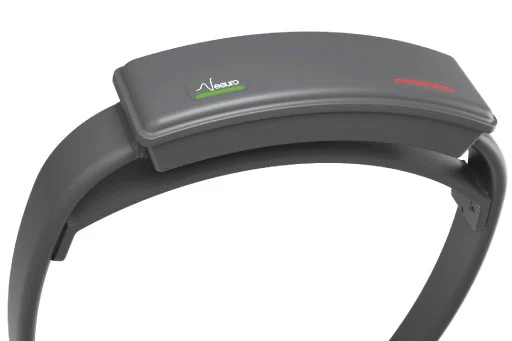
In 2025, brain-computer interfaces (BCIs) are no longer just science fiction. Thanks to advances in neurotech, non-invasive BCI headbands are becoming more affordable, safer, and more useful than ever. These devices let you monitor brain activity, improve focus, and even support mental health — without surgery or implants.
What Are Non-Invasive BCI Headbands?
A non-invasive BCI headband is a wearable device that reads brain signals from outside the skull, usually using EEG (electroencephalogram) sensors. Because they are non-surgical, they’re much safer than invasive BCIs. They translate your brain’s electrical patterns into data that you can use for different applications.
Why They Are Trending in 2025
- Mental Health & Wellness
Neurotech headbands are being used for meditation, stress reduction, and mood monitoring. By tracking brain waves in real time, they can give feedback to help you calm down or stay focused. - Productivity & Focus
Many users wear BCI headbands while working or studying. The device can detect when your mind is drifting and help you refocus using neurofeedback. This is helpful especially for people with attention challenges. - Affordable Consumer Tech
The cost of non-invasive BCIs is dropping as the technology matures. More startups are launching headbands with consumer-friendly designs and apps. - Safety & Ethics
Because these devices are non-invasive, they avoid many of the risks of surgical BCIs. At the same time, there is a growing discussion on brain data privacy, which makes this a hot topic in both tech and ethics.
Top Use Cases in 2025
- Neurofeedback Training: Use the headband with an app that trains you to change your brain patterns. You can learn to increase “relaxed focus” or reduce stress — by seeing your brain wave data visually.
- Sleep Tracking & Enhancement: Some headbands monitor brain activity during sleep and help you improve sleep quality by detecting deep sleep phases.
- Mental Health Tools: Therapists could use BCI data (with consent) to better understand brain activity in clients dealing with anxiety or depression.
- Gaming & Creativity: Imagine a game that reacts to your mental state. Some BCIs are being used to control simple games or creative tools like music or painting based on your brain waves.
Challenges & Risks
- Data Privacy: Brain data is very sensitive. If that data leaks or is misused, it can pose serious privacy risks.
- Accuracy: Consumer-grade BCIs are not as precise as medical devices. They may misinterpret signals or give noisy readings.
- User Comfort: Wearing a headband for long periods can be uncomfortable. Also, users may need to calibrate the device often.
- Regulation: As neurotech becomes mainstream, regulatory frameworks are still catching up. Who owns the brain data? How should it be protected?
Future Outlook
- Improved Sensors: Better materials and algorithms will make headbands more comfortable and sensitive.
- Integration with AI: AI can help interpret brain data more accurately. This could lead to advanced apps for mental health… or even neural gaming.
- Mass Adoption: As more people adopt non-invasive BCIs, we may see new use cases: smart wearables, brain-driven productivity tools, and learning platforms.
- Ethical Frameworks: Tech companies and regulators will likely develop stronger rules for brain data privacy and usage.
Tips for Anyone Interested
- Research different brands: Look for headbands that have good reviews, reliable apps, and strong user communities.
- Try before buying: If possible, test the headband or use a trial version of the app to see if it fits your needs.
- Think about what you want to use it for: Productivity? Sleep? Mental health? Your use case determines which device is best.
- Stay informed about data privacy: Read the privacy policy — know what data is collected, stored, and how it’s used.

I am Narayan Pandeya, a technology news writer covering the latest updates in smartphones, apps, artificial intelligence, software releases, and gaming gadgets. I focus on researching reliable sources and presenting accurate, easy-to-understand tech news for a global audience. My goal is to explain new technologies in simple language and help readers stay informed about digital trends, products, and innovations shaping today’s tech world.