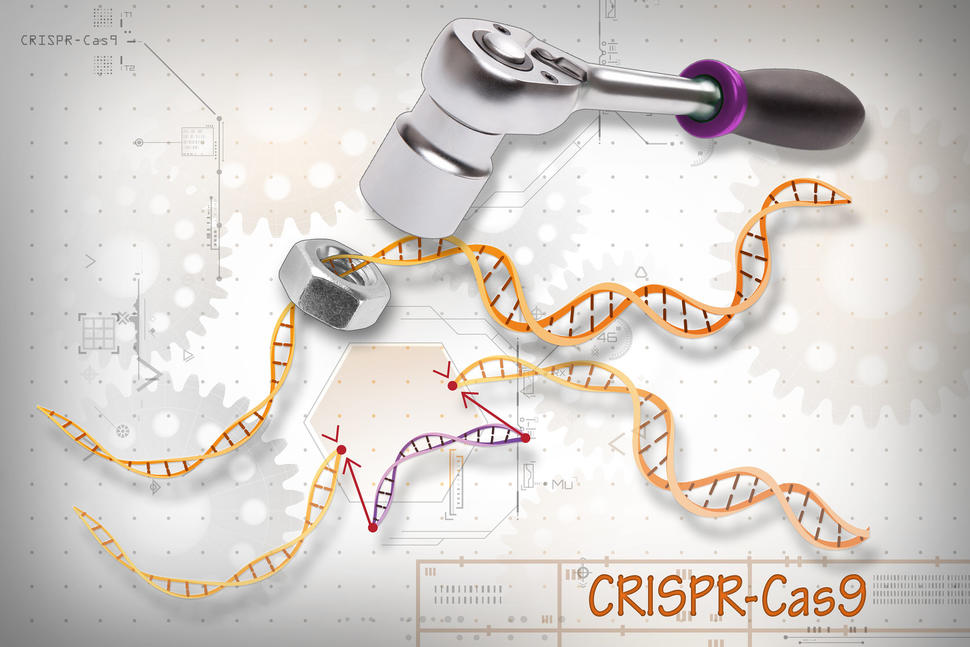
Imagine a world where your health plan is not set by age or weight, but by your genes. Thanks to CRISPR gene editing, that future may be closer than you think. In 2025, CRISPR isn’t just for treating diseases — it’s starting to enter the wellness space, helping people customize their health plans based on their DNA.
What Is CRISPR?
CRISPR (Clustered Regularly Interspaced Short Palindromic Repeats) is a powerful tool that can edit genes. Scientists use it to cut, remove, or replace parts of DNA. Historically, CRISPR has been used for serious medical treatments (like genetic disease), but now it’s emerging in wellness.
CRISPR in Health & Wellness
- Predictive Health
By analyzing your genes, companies can predict how you respond to certain foods, workouts, or stress. CRISPR-based diagnostics could help tailor personalized lifestyle plans. - Gene Editing for Prevention
In the future, CRISPR could edit genes to lower the risk of certain chronic diseases before they even start — though this is still very experimental and highly regulated. - Customized Supplements or Therapies
Wellness companies may design supplements or gene therapies specifically for your genetic profile, giving you a “gene-aware” health plan. - Ethical & Safety Considerations
Editing non-disease genes raises ethical questions. Also, there are risks of unintended effects. Regulatory frameworks are still evolving.
Potential Advantages
- More precise health advice: Instead of generic diet or exercise tips, you get recommendations based on your DNA.
- Long-term cost savings: Preventing disease is often cheaper than treating it.
- Empowered users: Knowing your genetic strengths and weaknesses gives more control over your wellness journey.
Challenges & Risks
- Regulation: Gene editing is strictly regulated in most countries. Using CRISPR for wellness is especially controversial.
- Ethical Issues: Who decides which genes are “safe” to edit? There is a risk of “designer genes.”
- Safety & Side Effects: Off-target edits (unintended changes) can be harmful.
- Accessibility: CRISPR-based wellness might be expensive and limited to wealthy or very health-conscious people.
What the Future Might Hold
- CRISPR-based diagnostics will grow, allowing more personalized health assessments.
- Wellness startups may offer gene-tailored plans or supplements.
- Regulatory clarity: Governments might set clear rules, making gene-editing safely available for wellness.
- More research: As more studies are done, we could see CRISPR used in preventive medicine, not just in therapy.
Should You Care About This Now?
If you’re into health, wellness, or biotech, CRISPR personalization is worth watching. Here’s what you can do now:
- Monitor CRISPR companies and research: Follow biotech news and clinical trials.
- Try DNA testing: Services like 23andMe or others can give you insight into your genetic health — though not CRISPR editing yet.
- Think ethically: Consider what you’d want to change (or not) in your genes if it became possible.
- Stay informed: Regulators, scientists, and companies will shape how gene-editing for wellness evolves.
Related post:

I am Narayan Pandeya, a technology news writer covering the latest updates in smartphones, apps, artificial intelligence, software releases, and gaming gadgets. I focus on researching reliable sources and presenting accurate, easy-to-understand tech news for a global audience. My goal is to explain new technologies in simple language and help readers stay informed about digital trends, products, and innovations shaping today’s tech world.